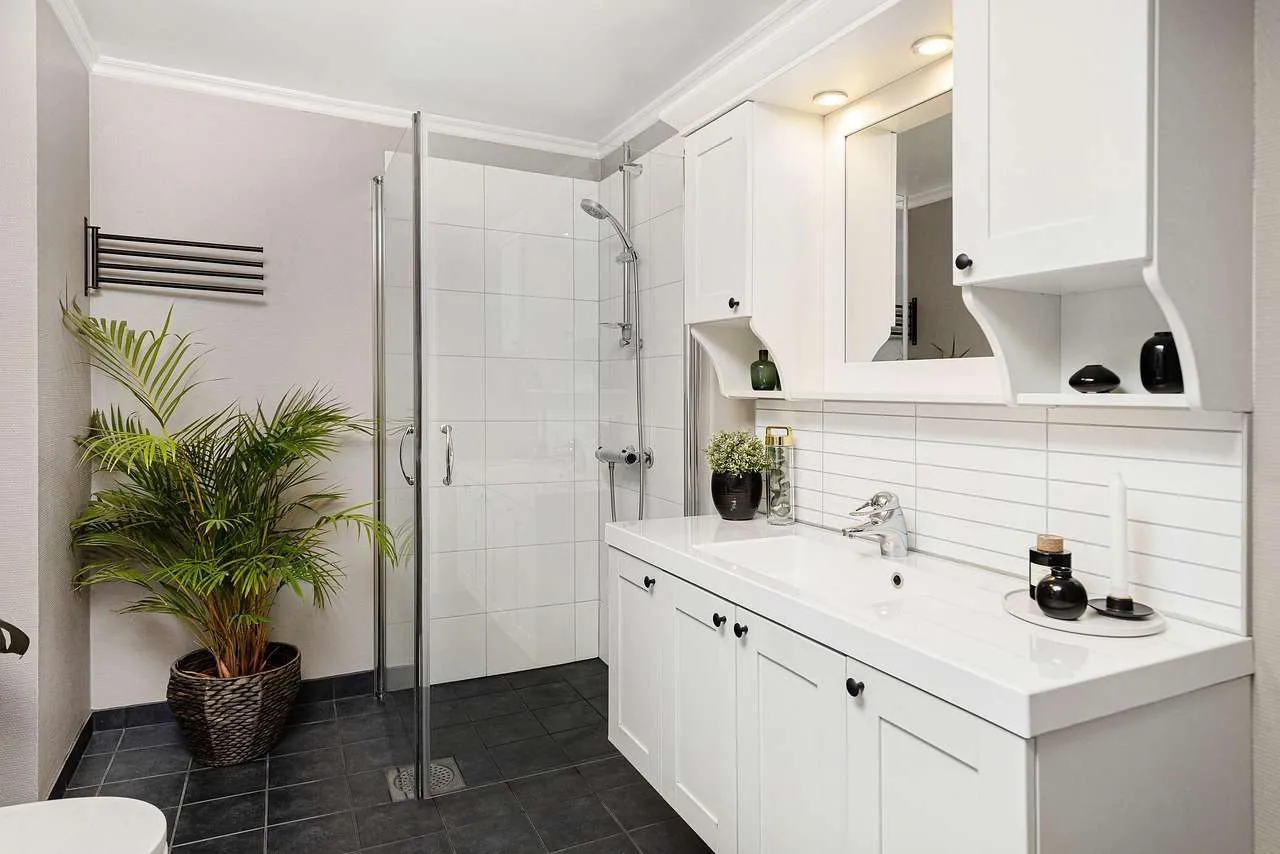
Designing a small bathroom can feel challenging, but with the right approach, you can create a space that feels larger, brighter, and more functional. This guide draws on established interior design principles, space planning, and durable materials to deliver small bathroom ideas that work in real homes.
Smart Layouts for Small Bathrooms
Begin with a layout that maximizes clearances and signals flow. Use vertical storage and wall-mounted fixtures to keep floor space open. Consider a pocket door or barn door to reclaim inches that a swinging door steals. Position the sink and toilet to create a clear traffic path, and use a corner shower or compact tub/shower combo to reduce bulk.
Key layout ideas
- Wall-mounted vanity to free floor space and enhance cleaning.
- Corner or neo-angle showers to fit into tight corners.
- Clear glass shower doors visually expand the room compared with opaque doors.
Color, Lighting, and Visual Tricks
Color plays a critical role in perception. Light, cool tones reflect more light and make surfaces appear bigger. Use large-format tiles to reduce grout lines. Mirrors not only illuminate but also amplify depth; a large mirror or mirrored cabinet can double as task lighting. Layer lighting with ambient, task, and accent lights, and if possible, use daylight comparable fixtures to mimic natural light.
Storage Solutions That Really Work
Storage is the heart of a small bathroom. Combine hidden storage with display spaces to keep essentials accessible yet uncluttered.
Smart storage ideas
- Floating vanity with integrated drawers and a shallow depth.
- Recessed niches in the shower for shampoos and soaps.
- Slim vertical storage behind the door or above the toilet for towels and daily items.
Fixtures and Finishes for Durability
Choose fixtures designed for humid environments. Ceramic or porcelain tiles with epoxy grout resist staining, while solid-surface countertops resist moisture. A compact, dual-flush toilet saves water while a wall-hung basin creates the illusion of more space.
Accessibility and Safety
Even small bathrooms should be safe and convenient. Non-slip flooring, grab bars near the shower, lever handles on taps and doors, and a reachable towel rack improve usability for all ages. If you have children or elders at home, consider a single-handle faucet and a shallow, easy-to-clean shower tray.
Comparison: Storage and Layout Options
To help choose between common options, review this quick comparison of aesthetics, cost, and practicality.
| Open shelving | Airy feel and easy access to items | Requires organization and may show clutter |
| Closed cabinetry | Clean, minimal look; hides clutter | Can feel heavy and reduce perceived space |
| Wall-mounted vanity | Creates floor space; visually light | Often less storage than a tall cabinet |
| Sliding shower door | Keeps space open and avoids door swing | Can be prone to leaks if not sealed |
| Pivot or bi-fold door | Space-saving entry option | Requires precise installation |
Conclusion, applying these small bathroom ideas—smart layouts, bright materials, and practical storage—helps you maximize every inch while maintaining a cohesive, stylish look. With thoughtful planning and durable finishes, your compact bathroom can feel larger, more efficient, and perfectly suited to daily rituals.